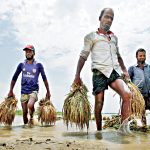
To ensure fair prices for Boro farmers, the government under its procurement programme should only buy paddy from the growers instead of rice from millers, a study suggested. It showed that last year the market price of Boro paddy could have increased by 45 percent had the government purchased only paddy from farmers for its […]
VIRTUAL EVENT: Food Loss & Waste – Can we end it by 2030? (12 May)
Background COVID-19 has significantly disrupted the food chain and with just ten years to go before the 2030 Agenda for Sustainable Development (SDG 2030) is to be met, eliminating food loss and waste is increasingly urgent. Building on the 2019 inaugural event, this special event will discuss whether, as a global community, we can or will end food […]
Buy paddy from farmers, not rice from millers
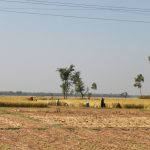
Only 1.34% of the farmers got the government-set price against their produce. Through its food procurement efforts, the government intends to serve two purposes: 1) maintain a stock to ensure food security, and 2) provide the crop growers with price support. Unfortunately, the price support it offered in Boro season last year benefited the rice […]
IFPRI-South Asia COVID-19 Blog Series
IFPRI's regional blog series analyzes and tracks the impacts of the COVID-19 pandemic on food and nutrition security, poverty, and other development issues. Bookmark and follow the link for frequent updates on the most up-to-date research: https://southasia.ifpri.info/category/news/blogs/covid-19/
Journal Article: Food Transfers & Child Nutrition in Rohingya Camps
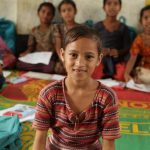
Rohingya refugees are highly vulnerable to many challenges. IFPRI and Cornell researchers joined hands to examine the associations between receipt of an electronic food voucher (e-voucher) compared with food rations on the nutritional status of Rohingya children living in refugee camps in Bangladesh. The study found that, in a humanitarian assistance setting (i.e. Rohingya refugee […]
- « Previous Page
- 1
- …
- 26
- 27
- 28
- 29
- 30
- …
- 68
- Next Page »