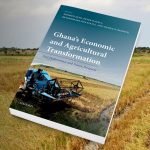
What lessons can Ghana's agricultural and economic transformation provide for Bangladesh? On Wednesday, 9 October from 12:15-1:45pm EDT (10:15-11:45pm Dhaka time), IFPRI warmly invites you to join a webinar where we examine the past four decades of Ghana's economy and agriculture sector, and key insights into harnessing agriculture's potential for transformation. Stay tuned for forthcoming […]
NEW RESEARCH: Impacts of Safety Net Transfers on Child Nutrition
From 2012 to 2014, IFPRI designed and evaluated a randomized controlled trial, the Transfer Modality Research Initiative (TMRI), which sought to generate definitive evidence on which form of safety net transfer–cash or food–works best for the ultra poor in rural Bangladesh and whether impacts of these transfers change when linked to nutrition behavior change communication […]
Discussion Paper: Impacts of Bt Brinjal (Eggplant) in Bangladesh

A new discussion paper from IFPRI researchers Akhter Ahmed, John Hoddinott, Nusrat Hossain, and Naveen Abedin assesses the impacts of genetically modified eggplant, Bt brinjal, on economic and health outcomes in Bangladesh using a cluster randomized controlled trial design. The study finds that Bt brinjal reduces the cost of pesticide use, the use of pesticides […]
Groundbreaking Research on Early Childhood Feeding in 42 Countries
A groundbreaking journal article was recently published, First foods: Diet quality among infants aged 6–23 months in 42 countries, which explores the first solid foods fed to infants, month-by-month as they grow. The article draws upon survey data from 42 countries, including Bangladesh. Diet quality is closely linked to child growth and development, especially among infants […]
Nurul Islam: Reflections from 60+ Years of Development

Nurul Islam’s contribution to development reflects his remarkable career—which ranged from research and university teaching, to heading a prestigious research institute, to becoming a freedom fighter, to running the first Planning Commission in Bangladesh, to serving as Assistant Director General at FAO. Join us as he reflects on his over 60 years of work in […]
- « Previous Page
- 1
- …
- 10
- 11
- 12
- 13
- 14
- …
- 17
- Next Page »